


Welcome to Peru—a land of endless adventure!
Three worlds sit in one country. Walk the Andes and the quieter valleys toward Machu Picchu, sit a river day in the southern Amazon and watch macaws work a clay lick in Tambopata, then come down to Lima and the Pacific. This is not a checklist of every fortress on the map — it is the country we actually travel, at a private pace.
Let the team at Go Peru Now compose the route: coast first, high country when you are ready for the altitude, jungle when you want the canopy and the river, not the crowd.

Macaw clay licks and river days in Tambopata

Top tours to explore in Peru
The names the world already knows — Machu Picchu, the Amazon, Lake Titicaca — reached from the places we run: Cusco and the Sacred Valley, Madre de Dios, and Puno.
 Machu Picchu
One of the world’s great archaeological sites — reached here by quieter valleys, not only the classic trail.
Machu Picchu
One of the world’s great archaeological sites — reached here by quieter valleys, not only the classic trail.
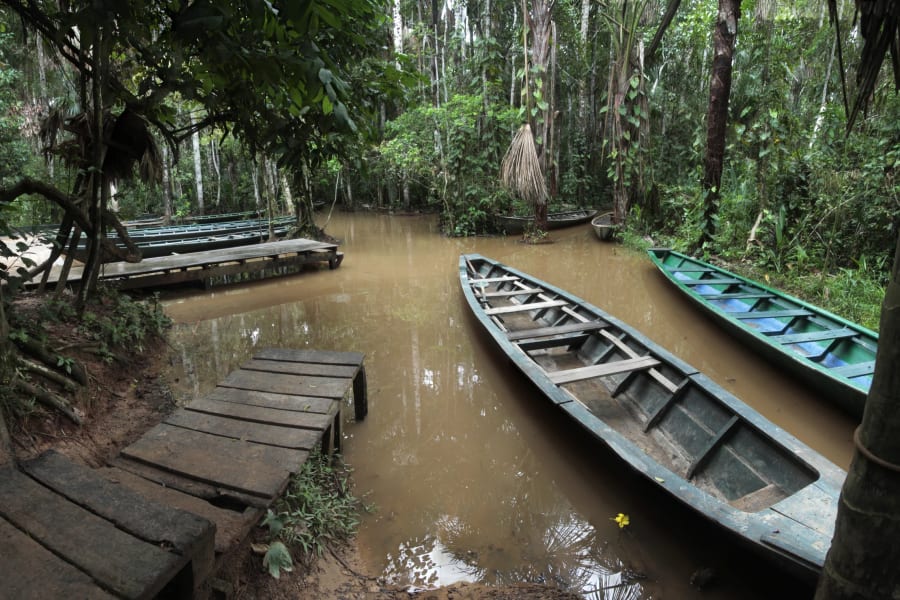
 Peruvian Amazon
River lodges in Madre de Dios, where wildlife, biodiversity, and local knowledge set the day.
Peruvian Amazon
River lodges in Madre de Dios, where wildlife, biodiversity, and local knowledge set the day.
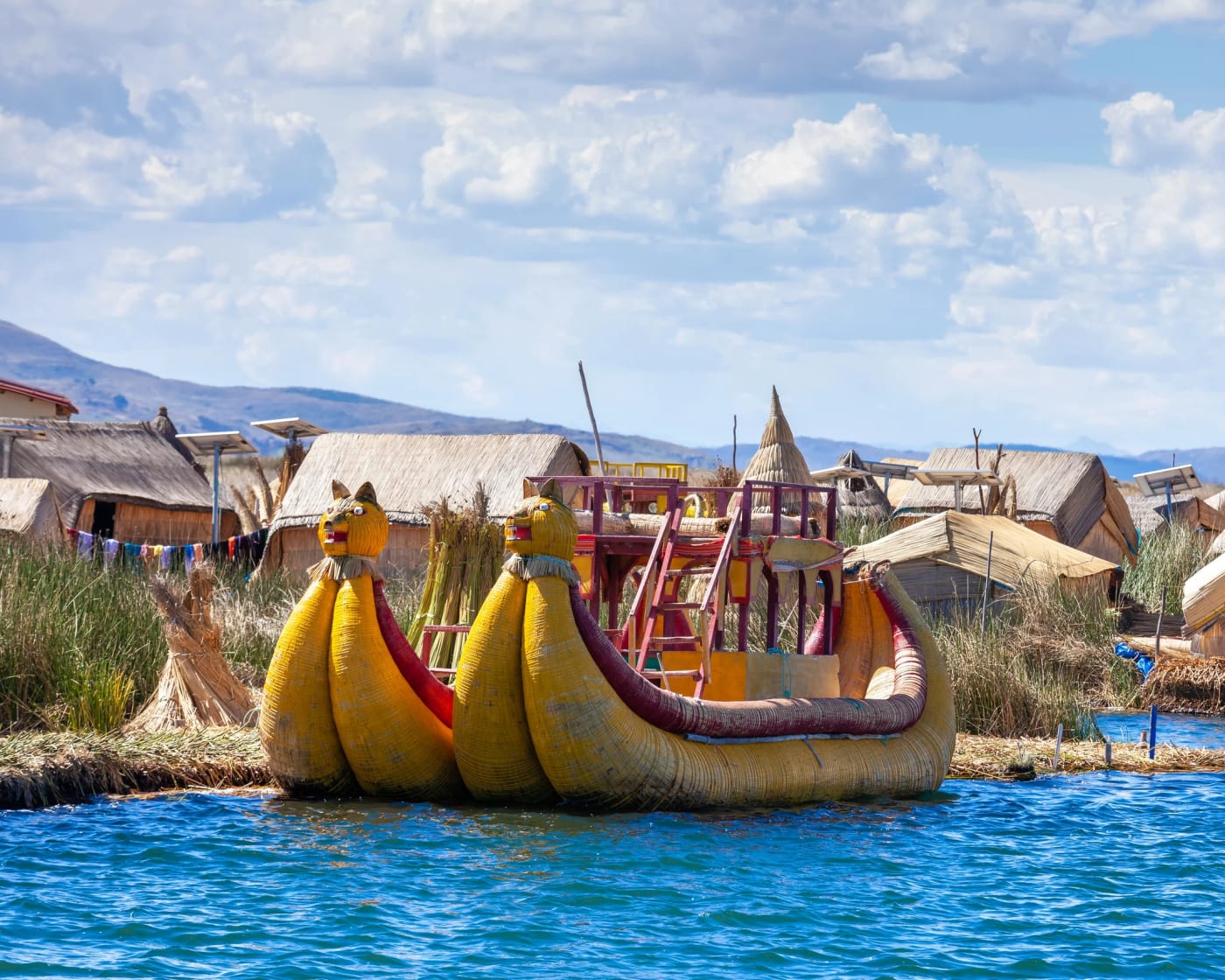
 Lake Titicaca
The highest navigable lake of its size on earth — reed islands, thin air, and a highland unlike Cusco.
Lake Titicaca
The highest navigable lake of its size on earth — reed islands, thin air, and a highland unlike Cusco.
Places we travel
Five gates, three landscapes. Choose a city.



Cultural & gastronomic experiences in Peru
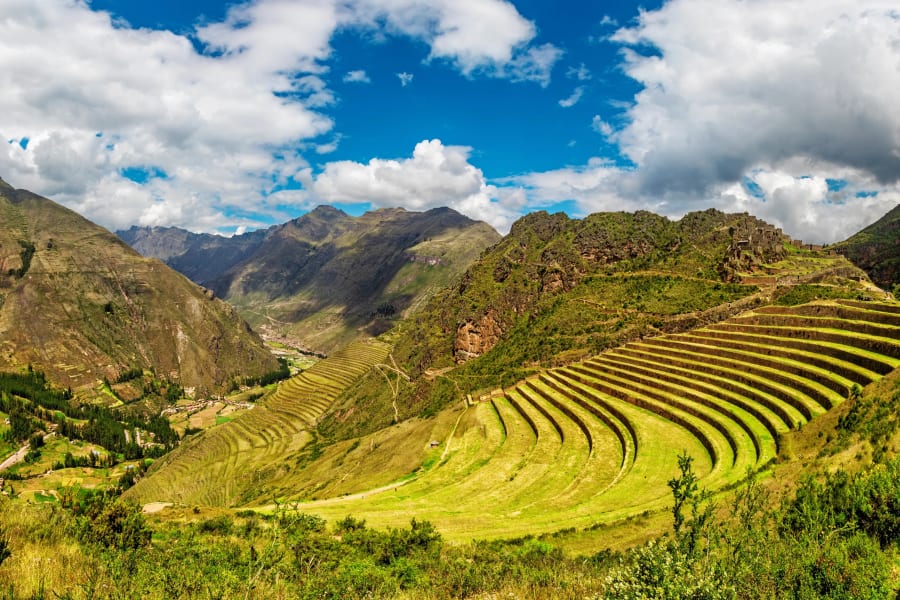
Peru’s kitchens sit beside the trails. Eat in Lima before the Andes, then walk the high country — the Ausangate circuit, and a quieter road toward Machu Picchu.
 Local flavors & gastronomy
4 Day Lima Discovery
 January – December
 4 days / 3 nights
Arrival city: markets, collections, and a proper meal before you fly to altitude.
From $1,090 / person
 High passes
The Ausangate circuit
May – October
5 days / 4 nights
A circuit on foot around Ausangate: passes, glacial streams, and nights in the high country.
From $2,240 / person
 Hiking & trekking
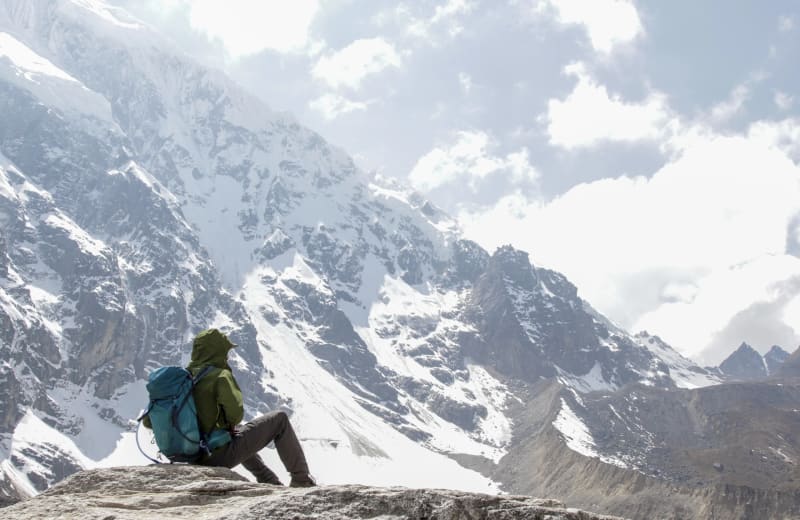
Hidden valleys of Salkantay
May – October
7 days / 6 nights
A lesser-known approach to Machu Picchu through remote valleys and traditional communities.
From $2,850 / person
Frequently asked questions about Peru
Planning a trip to Peru? These cover the questions travellers ask us before they book — from any passport.
Is it safe for Americans to go to Peru right now?
Peru is a major destination for travellers from the United States, the United Kingdom, Europe, and beyond. Like any country, risk is uneven: cities need ordinary street sense; night buses and isolated roads need more care. We run private journeys with local teams, not backpacker circuits. Before you fly, read your own government’s travel advice (US State Department, UK FCDO, or equivalent) and tell us if you have constraints we should plan around.
Where is Peru located?
Peru sits on the west coast of South America, facing the Pacific Ocean. The Andes mountains run the length of the country; east of them is the Amazon rainforest. Neighbours are Ecuador, Colombia, Brazil, Bolivia, and Chile. Most of our journeys begin in Lima and move into the southern highlands or Madre de Dios.
What language is spoken in Peru?
Spanish is official, and so is Quechua. In the south, around Puno and Lake Titicaca, Aymara is spoken too. English is common in hotels and on private journeys; it is not a substitute for a local guide in the high country or the jungle.
What is the hardest trek in Peru?
Among commercial routes, the Cordillera Huayhuash is often named the hardest. We do not run that circuit. On our map, the serious walking is the Salkantay valleys toward Machu Picchu and the circuit around Ausangate — altitude, weather, and distance, without the ticketed crush of the classic Inca Trail. We match the route to your fitness; we do not sell a “hardest trek” as a badge.
What is the best month to go to Peru?
For the highlands and Machu Picchu approaches, June to August is the classic dry window: clear days, cold nights, and peak demand. Lima is often grey with coastal mist in those months. The southern Amazon in Madre de Dios is travelable year-round, with higher rivers and more mosquitoes in the wetter months.
When is a good time to travel to Peru?
If you want the Andes with fewer people, look at April–May and September–October: still workable trails, softer light, and more room. The classic Inca Trail closes each February for maintenance; our Salkantay-side approach is not that permit. Tell us the month you can travel and we will say honestly whether it suits the coast, the highlands, or the jungle.
Do I need a visa to travel to Peru?
Many passports — including the United States, the United Kingdom, the European Union, Canada, and Australia — currently enter Peru as tourists without a visa for a limited stay. Length of stay is set at the border, not by us. Confirm with a Peruvian consulate or your own foreign office before you fly; rules change, and a passport should be valid for at least six months.
What is the currency in Peru?
The currency is the Peruvian sol (S/, ISO code PEN). US dollars are accepted in some hotels and shops in tourist areas; cards work in Lima and Cusco, less so in villages. We quote journeys in US dollars and settle locally. Carry some soles for markets and tips; use ATMs in cities, not isolated terminals.
What to do in Cusco, Peru?
Land, drink water, and give the first day to the altitude. Then: the stone of the old city, the Sacred Valley, and a quieter road toward Machu Picchu if that is your aim. The walks we run from here are Salkantay, Ausangate, Vinicunca, and Humantay — not a checklist of every ruin on the map. See our Cusco page.
What to visit in Lima, Peru?
Use Lima as a landing, not a layover you sleep through. Eat properly — this is one of the world’s serious food cities — walk Barranco and the clifftop, and see a collection if you have the hours. Then fly to Cusco when you are ready for the Andes. Details on our Lima page.
We travel the coast, the highlands, and the southern Amazon — remote valleys and rural country, with a small footprint. With us, you’ll experience:
-

The adventure pioneers
-

Passionate guides
-

Best-in-class safety
-

Local know-how
-

Sustainable management
-

Inspiring experiences